Sail area / displacement
How much sail the boat carries for its weight — its power in light air.
- not published: sail area
How it is worked out
sail area (ft²) ÷ (displacement as ft³ of seawater)^⅔
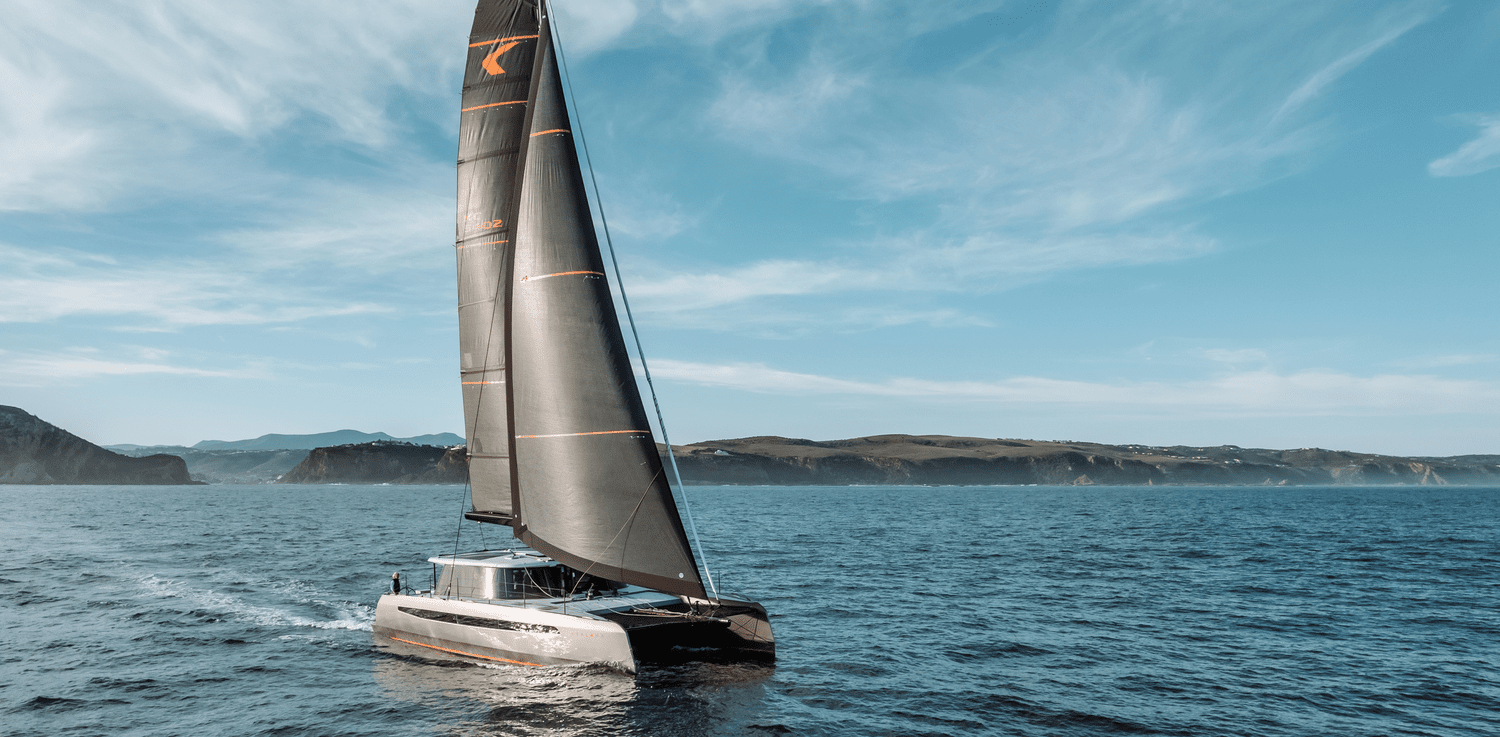
1 / 10
DJI_0693+%281%29%402x — Kinetic Catamarans
* A standard reference image, not the actual boat — shown to help visualise this model's published dimensions.
From the published figures: CE Category A · LOA 16.5 m · fresh water 1000 L
From the published figures: performance cruiser · 4 cabins
From the published figures: LOA 16.5 m · 4 cabins · fresh water 1000 L
Tags are derived from certified class, length, sail area, accommodation and tankage using the criteria described on the Sources page; an editor may add or remove one.
Classic yacht-design ratios worked out from the builder's published figures, each shown against the bands designers read it by.
How much sail the boat carries for its weight — its power in light air.
sail area (ft²) ÷ (displacement as ft³ of seawater)^⅔
How heavy the boat is for its waterline length. Lower is lighter and quicker; higher is steadier and roomier.
displacement (long tons) ÷ (0.01 × waterline length in ft)³
Most builders publish a light displacement. The ratios were defined on a loaded boat, so every boat here reads a little lighter than a surveyor's figure would — all alike, which keeps them comparable.
What the builder publishes about how fast, how strong and how much the boat carries.
Fuel and water on one scale: a tank twice the height holds twice as much.
Certified CE design category A (Ocean): the wind and waves the EU Recreational Craft Directive says this boat is designed to take.
Sheltered waters
Inshore
Offshore
Ocean
Design limits set by the EU Recreational Craft Directive (2013/53/EU), in significant wave height. A category covers the conditions of those below it. It is the limit the boat was designed to, not a promise that it is safe in any conditions within it — that judgement stays with the skipper.
Figures read fromkineticcatamarans.com/kc-54· Specificationsread 10/18/2026
4 drawings from the builder's page: general arrangement, sail plan, profile.
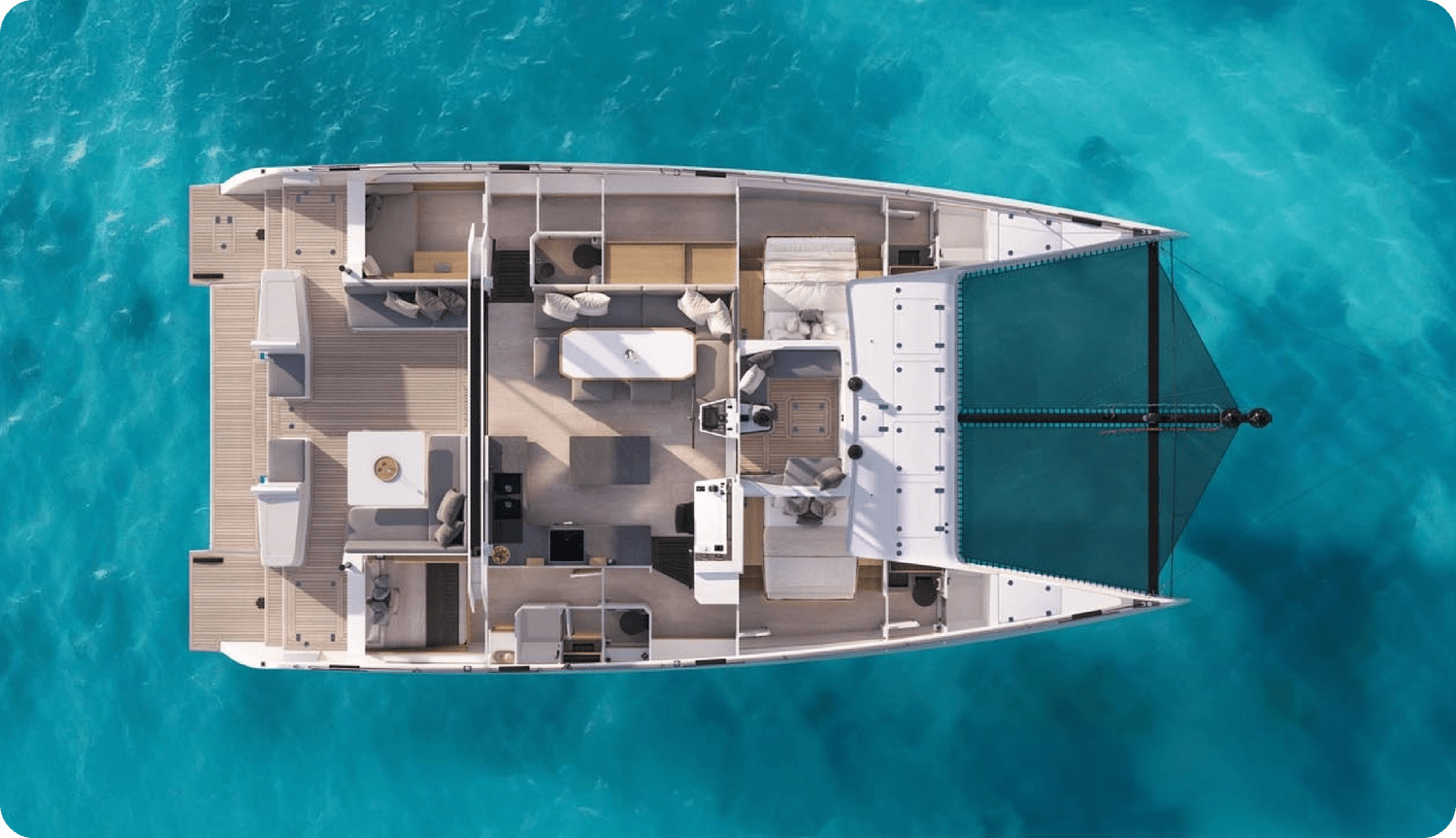
Hull_Layout+1_Oak%402x — Kinetic Catamarans
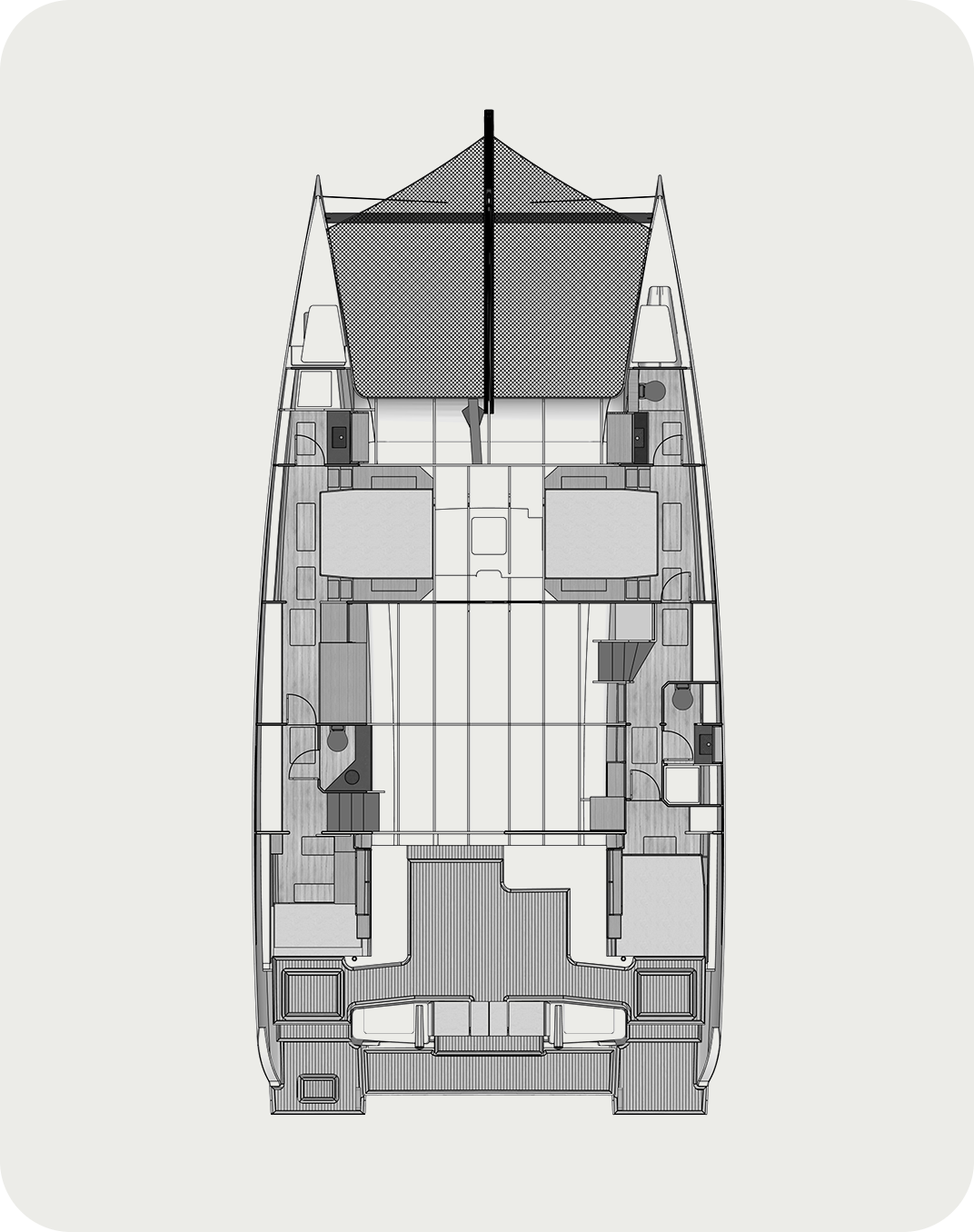
Customizable+Layouts+1_small — Kinetic Catamarans
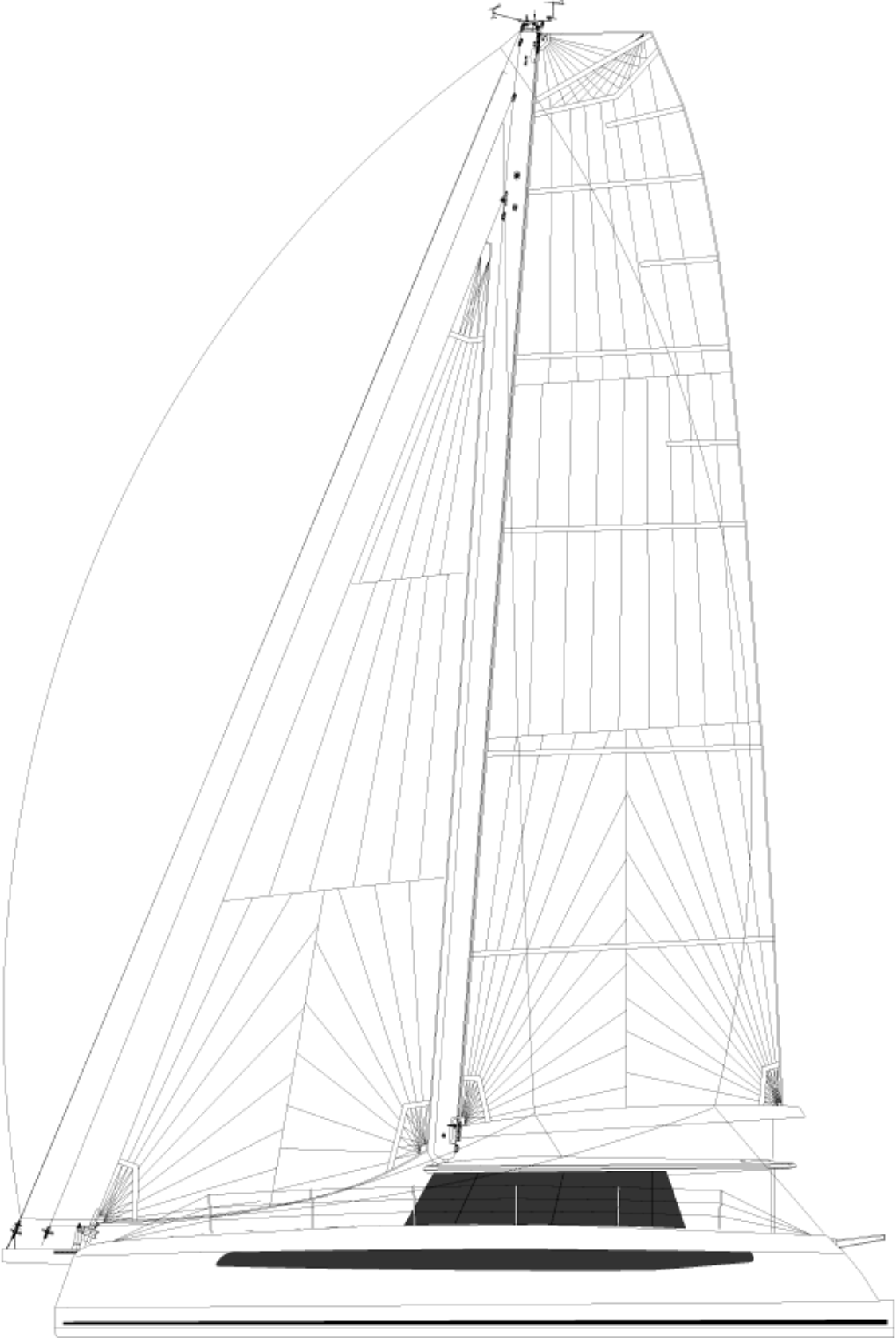
54_Performance%402x — Kinetic Catamarans
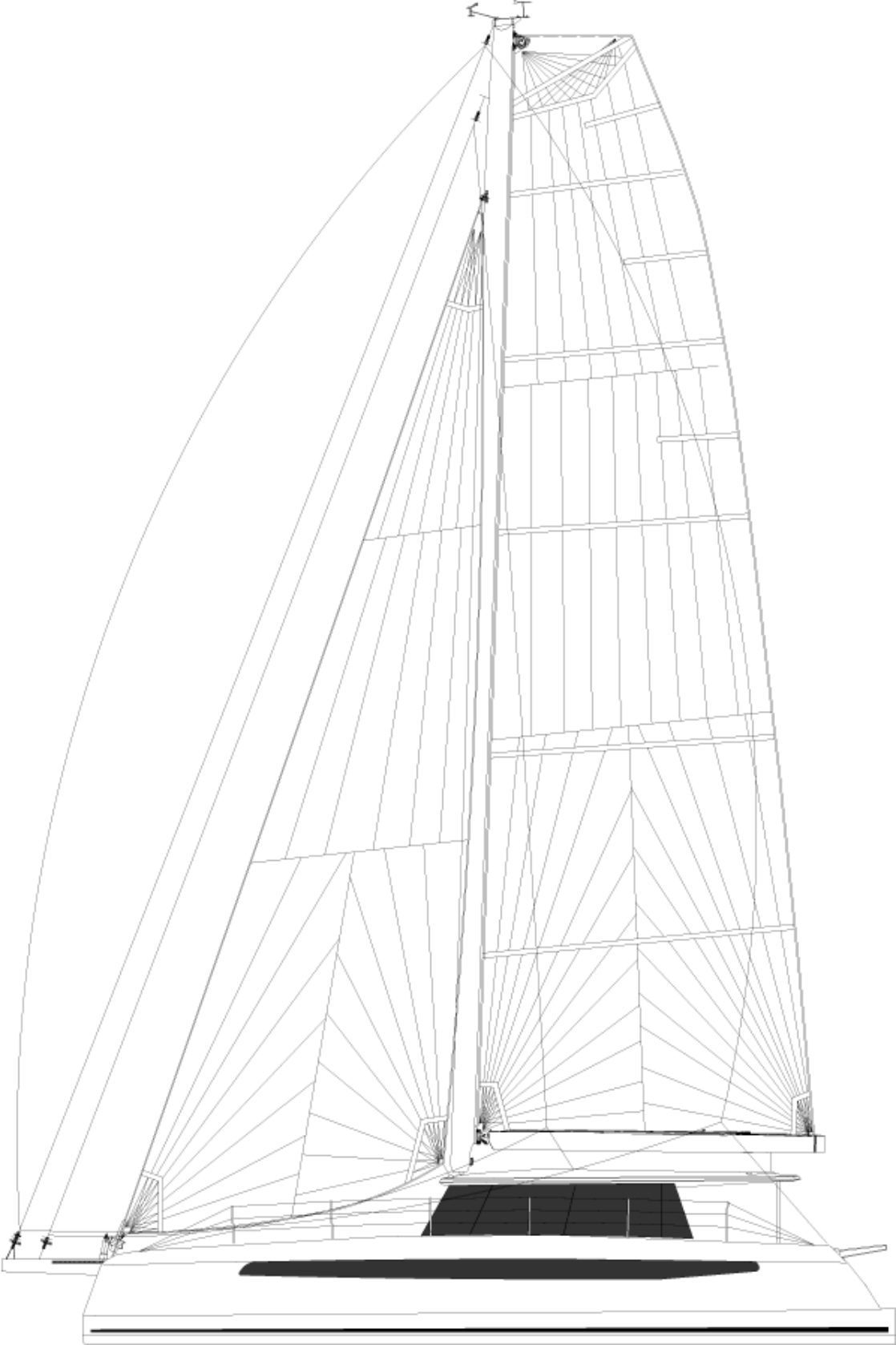
54_Turbo%402x — Kinetic Catamarans
Semi-custom
Builder of all-carbon performance cruising catamarans, founded in 2018 — the 16.5-metre KC54 and the new K6 in 64-foot and 68-foot lengths, designed by Simonis Voogd in the Netherlands and built in Kinetic's own yard in Knysna, South Africa.
Kinetic Catamarans was founded in 2018 and, in its own words, has established itself as a creator of innovative, quality performance catamarans. It is a US company with its yard in Knysna, South Africa, and a joint venture between two keen sailors: Bob Hayward, a successful US real estate developer and entrepreneur, and Leon Scheepers, a respected South African boatbuilder with wide experience of multihull production. Their vision is luxury performance cruising catamarans of the highest quality and reliability, and their philosophy that time on the water is precious: the boats use all-carbon construction for its weight saving and strength, carry performance carbon rigs and sail plans, and are set up for short-handed sailing, with only leading equipment and suppliers, attention to detail and after-sales support meant to take the complexity out of owning a boat of this kind. The designs come from Simonis Voogd Design BV in the Netherlands; the electrical systems are designed with Cay Electronics (USA, Tortola), the rig and sailing set-up with Rigging Projects (UK, the Netherlands), and the sails by North Sails.
Visit brand pageEvery model Kinetic Catamarans publishes, by length — where this one sits in the range.
Boats this boat's designers also drew, for other builders too. Credits are grouped only where the names clearly agree, however each builder spelled them; an unclear one is left out.