Power to weight
Total engine power per tonne of published displacement — more means livelier acceleration for the hull. Drawn for motor yachts.
not published: displacement
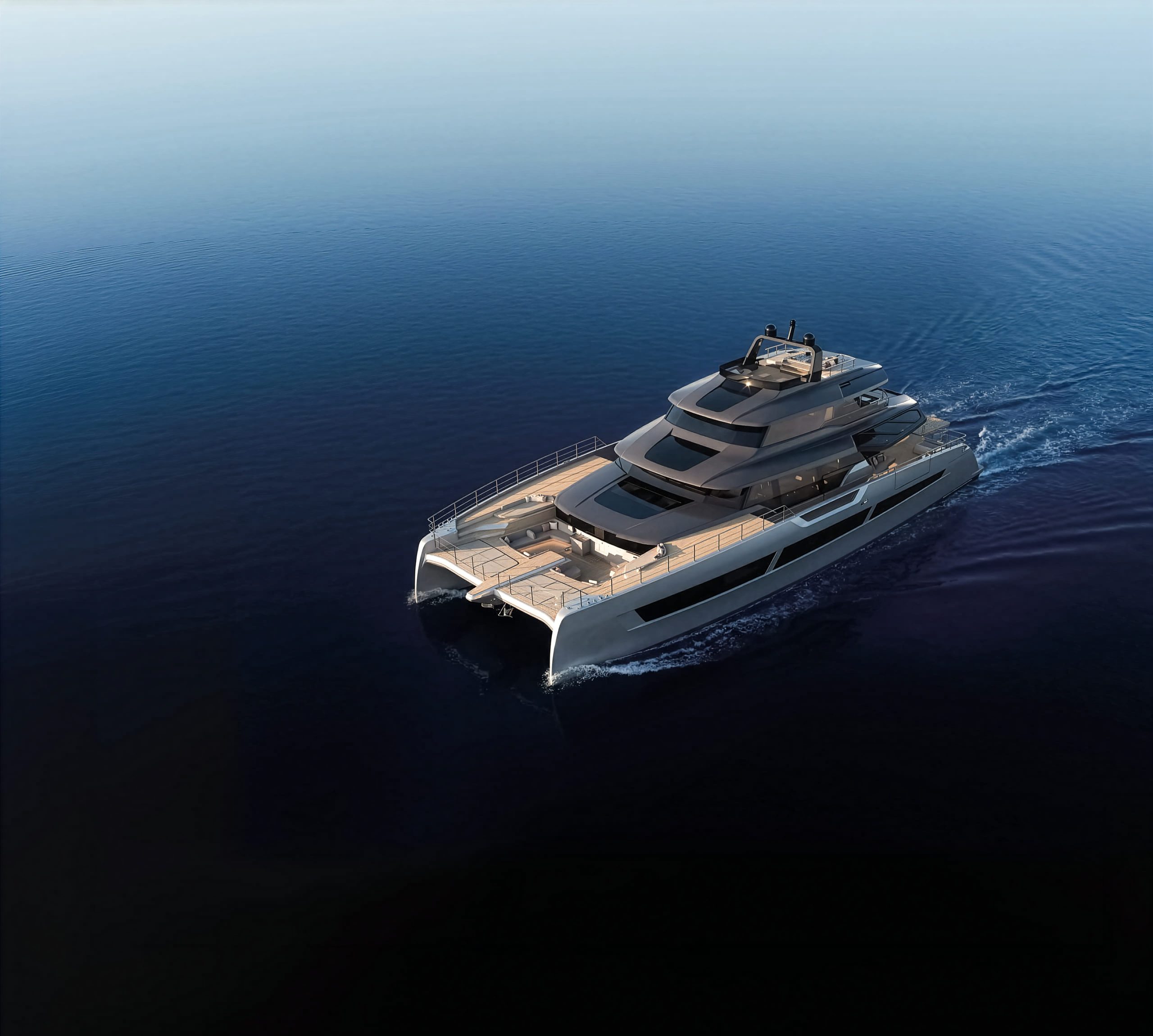
1 / 27
01_FPY120_Header3-scaled — Fountaine Pajot
* A standard reference image, not the actual boat — shown to help visualise this model's published dimensions.
What the builder publishes about how fast, how strong and how much the boat carries.
Total engine power per tonne of published displacement — more means livelier acceleration for the hull. Drawn for motor yachts.
not published: displacement
Fuel and water on one scale: a tank twice the height holds twice as much.
Figures read fromyachts-fountaine-pajot.com/en/yachts/fpy120/· Featuresread 10/5/2026
4 drawings from the builder's page: general arrangement, sail plan, profile.
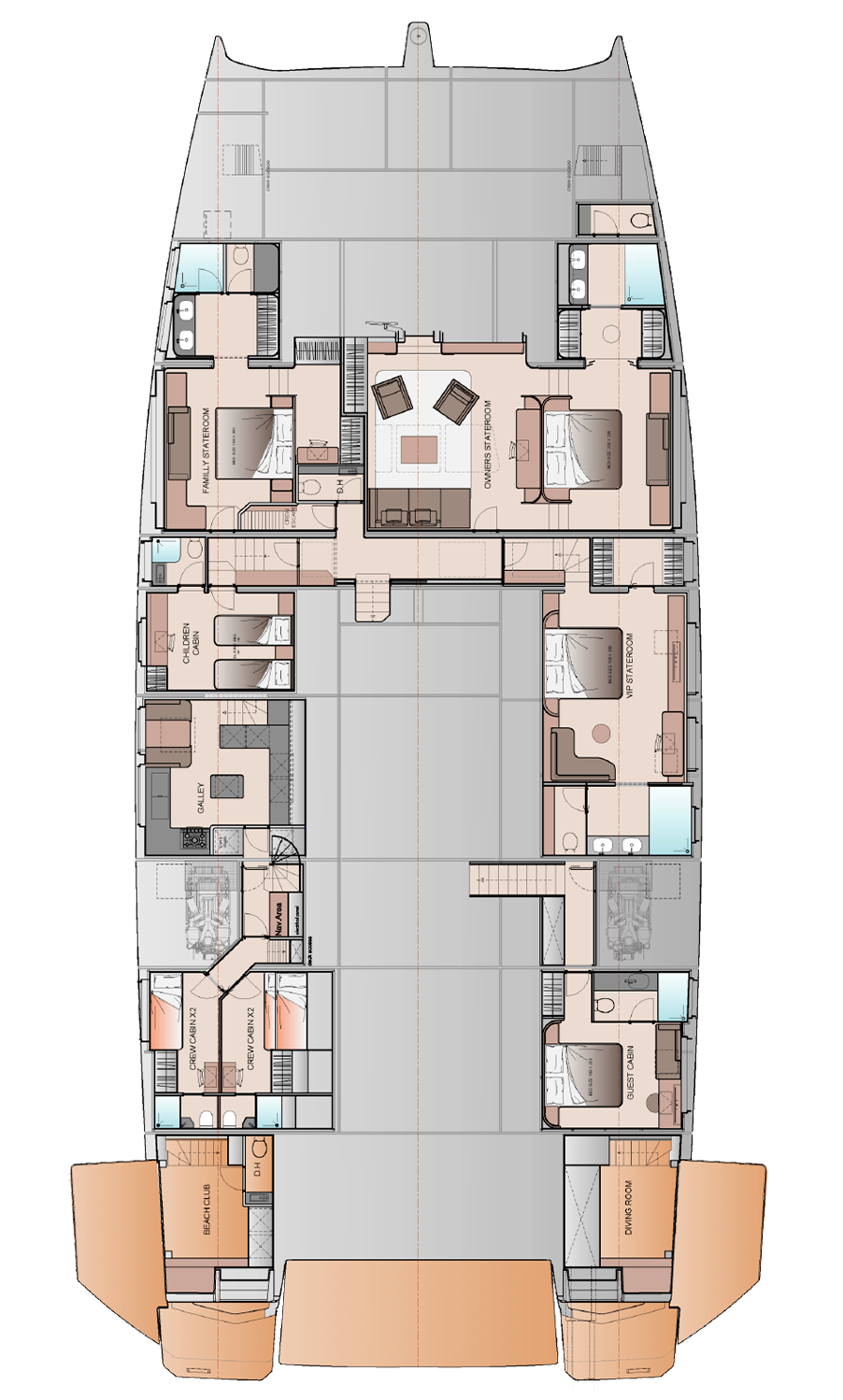
FPY120-CABINS — Fountaine Pajot
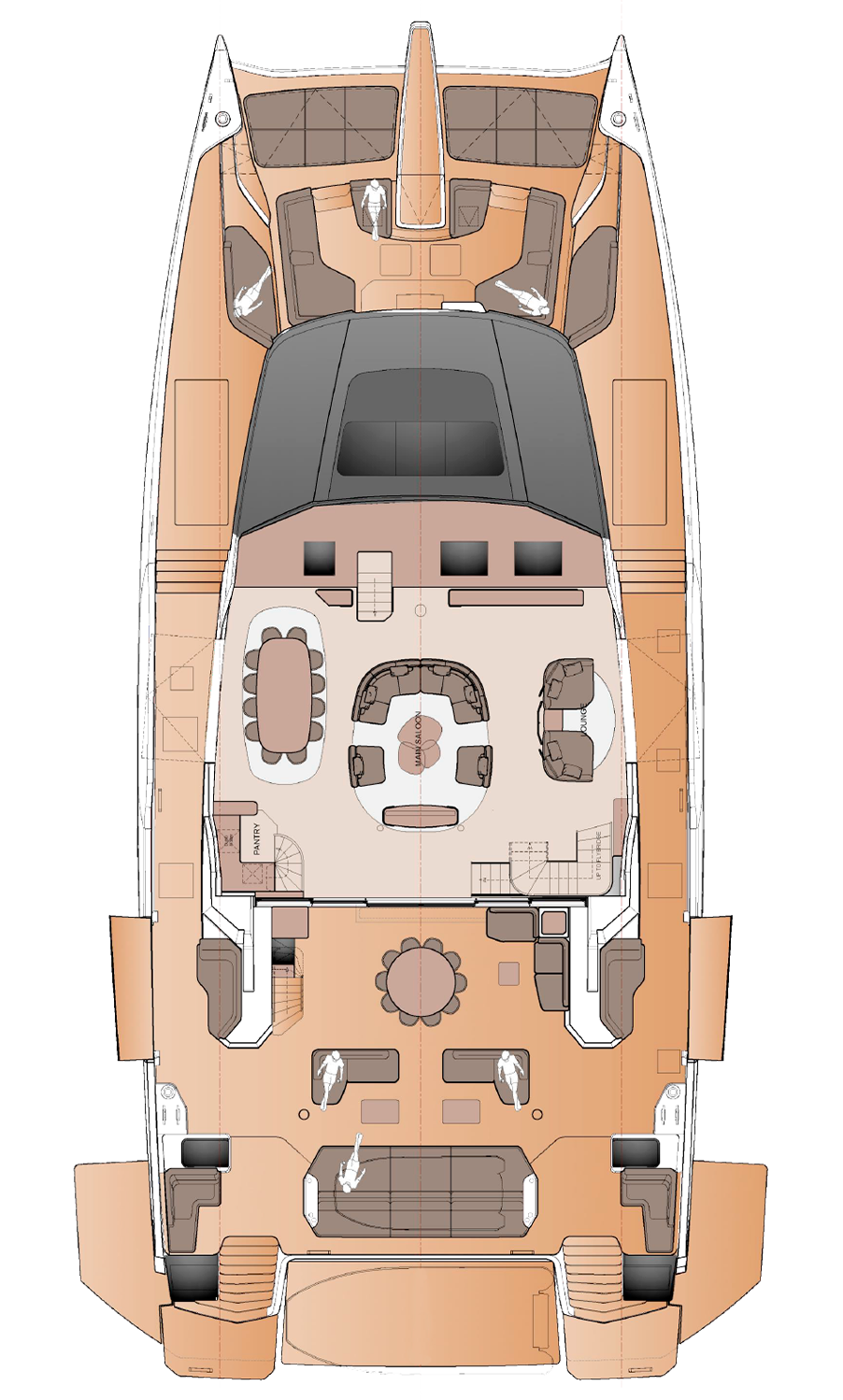
FPY120-MAIN-DECK — Fountaine Pajot
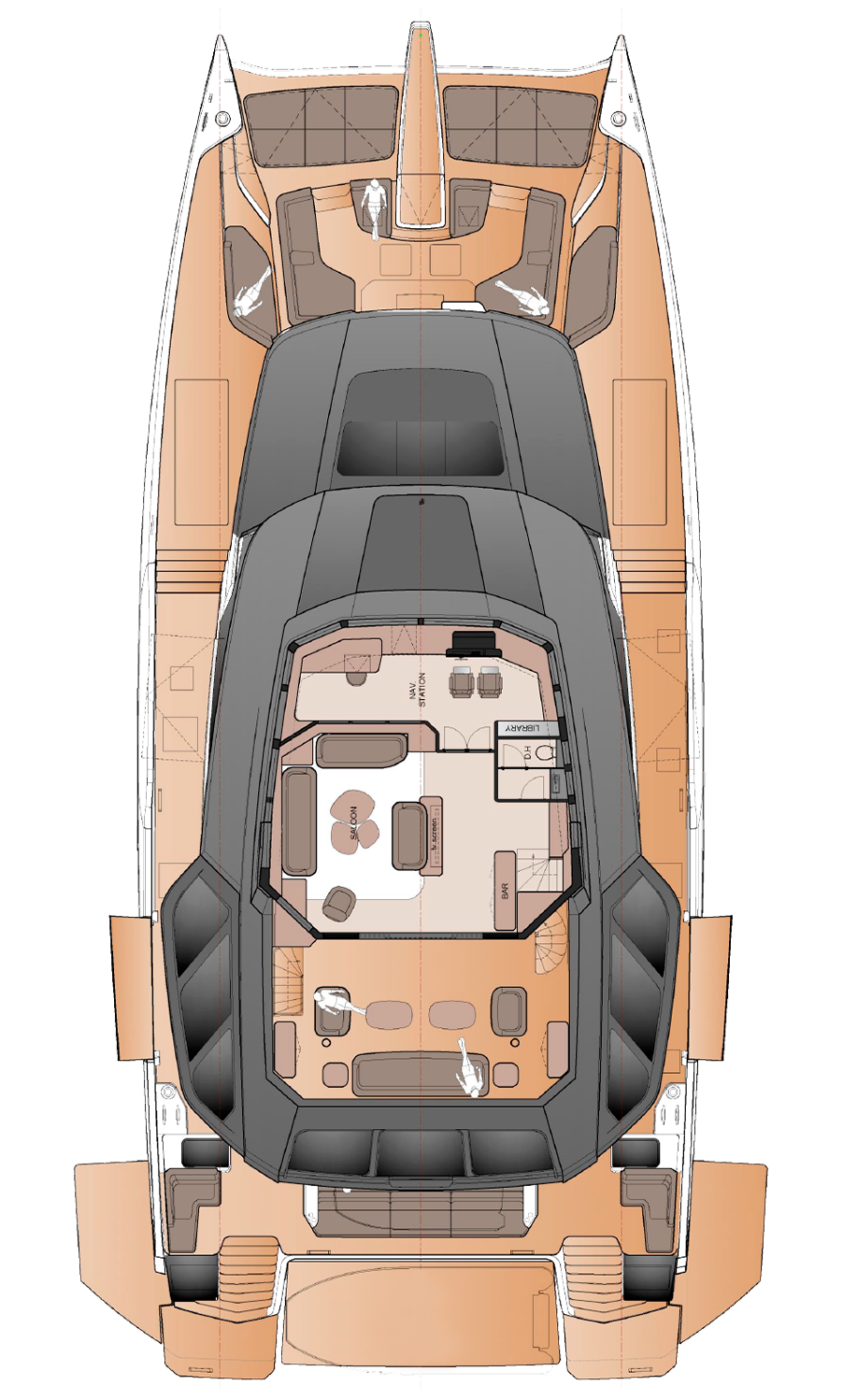
FPY120-FLYBRIDGE — Fountaine Pajot
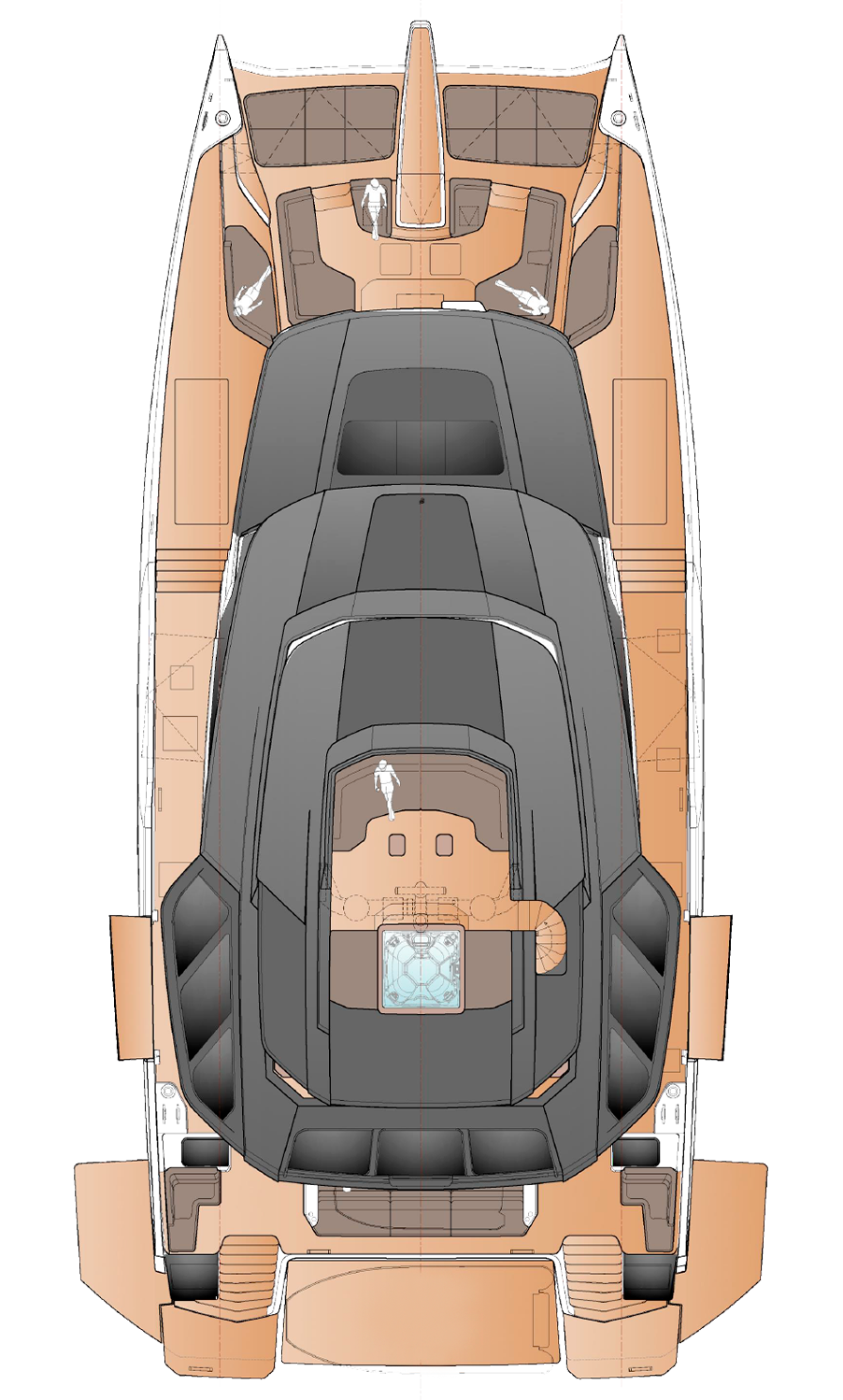
FPY120-SUNDECK — Fountaine Pajot
Volume production
French builder of luxury sailing and power catamarans, founded in 1976 near La Rochelle and now part of a group that also owns Dufour Yachts.
Fountaine Pajot marks fifty years in 2026, and the way it has chosen to mark them says something about the yard: rather than write the anniversary itself, it asked owners for their photographs, their videos and their memories aboard, to be gathered into a book on the brand's fifty-year history and sent to all of them. The year is given over to open days at La Rochelle, where the yard is, and to owners' evenings at the boat shows.
Visit brand pageEvery model Fountaine Pajot publishes, by length — where this one sits in the range.
Boats this boat's designers also drew, for other builders too. Credits are grouped only where the names clearly agree, however each builder spelled them; an unclear one is left out.